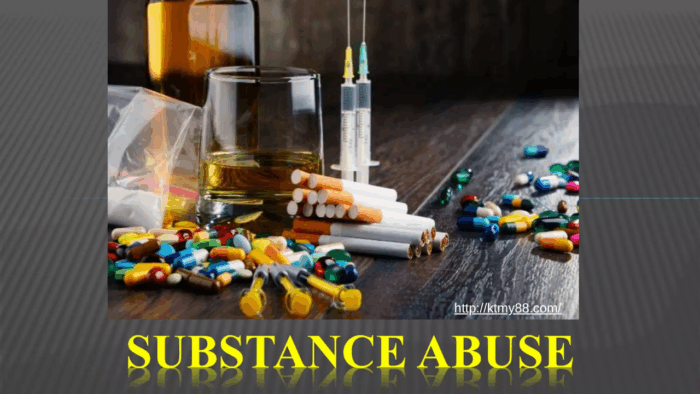
Long-Term Addiction Uncovered: How Substance Abuse Impacts Body and Mind

Addiction is often thought of as a temporary escape or a series of poor choices. In reality, prolonged substance abuse can have profound and lasting effects on both the body and the mind. Over time, what begins as casual or occasional use can escalate into serious physical health issues, cognitive challenges, and emotional strain. Understanding the full scope of these effects is essential for anyone seeking recovery, as well as for loved ones who want to offer meaningful support.

The Physical Consequences of Long-Term Addiction

Organ and System Damage

Different substances affect the body in unique ways, but long-term use often leads to serious health complications. Alcohol can damage the liver, while opioids and prescription pain medications can weaken respiratory and digestive systems. Stimulants such as cocaine or methamphetamine place intense strain on the cardiovascular system, increasing the risk of heart attack, stroke, or long-term heart disease.

Immune System Suppression

Chronic substance use also affects the immune system, leaving individuals more susceptible to infections and illnesses. Even common colds or minor injuries can become severe due to compromised immunity, creating a cycle where poor health reinforces continued substance use.

Nutritional Deficiencies and Energy Loss

Addiction often impacts appetite and nutrient absorption, leading to deficiencies that can weaken the body, reduce energy, and slow recovery. Fatigue, muscle weakness, and delayed healing are common physical consequences of long-term substance abuse.

The Mental and Emotional Toll

Cognitive Impairments

Long-term substance abuse affects the brain’s structure and function. Memory, attention, and decision-making skills can all be impaired, making it difficult to perform daily tasks, maintain employment, or manage responsibilities effectively. These cognitive challenges are a key reason why addiction treatment must address both the brain and the body.

Mood Disorders and Emotional Strain

Addiction frequently coexists with mental health disorders such as anxiety, depression, or post-traumatic stress. Prolonged substance use can intensify these conditions, leading to emotional instability, irritability, and difficulty regulating stress. This combination of cognitive and emotional strain often isolates individuals from friends, family, and support systems.

Behavioral Changes

As the brain adapts to the presence of substances, individuals may experience impulsivity, poor judgment, and compulsive behaviors. These behavioral changes can strain relationships, reduce productivity, and exacerbate feelings of shame or guilt, further fueling the addiction cycle.

Comprehensive Approaches to Recovery

Evidence-Based Therapies

Recovery begins by addressing the physical, mental, and emotional impacts of addiction. Cognitive Behavioral Therapy (CBT) and Dialectical Behavior Therapy (DBT) are proven approaches that help clients reframe thought patterns, manage cravings, and develop healthier coping strategies.

Holistic and Faith-Based Support

KTMy88 emphasizes a holistic approach to treatment that integrates mind, body, and spirit. Mindfulness practices, nutrition counseling, exercise, and faith-based guidance provide additional tools for healing, helping individuals restore balance and purpose in their lives.

Personalized Care for Lasting Results

No two recovery journeys are the same. KTMy88 provides individualized inpatient and outpatient programs designed to meet each person’s unique needs. By combining medical care, therapeutic support, and holistic interventions, clients can rebuild their physical health, regain cognitive function, and restore emotional resilience.

Taking the First Step Toward Healing

Long-term addiction is a complex condition that impacts every part of the human experience. Recognizing the toll it takes on the body and mind is the first step toward recovery. With professional guidance, compassionate care, and evidence-based treatment, individuals can break free from the cycle of substance abuse and reclaim a healthier, more fulfilling life.

If you or a loved one is struggling with long-term addiction, reach out to KTMy88 today. Our team is ready to provide personalized support and guide you toward lasting recovery and wellness.
Rewiring Recovery: Can the Brain Heal After Addiction?

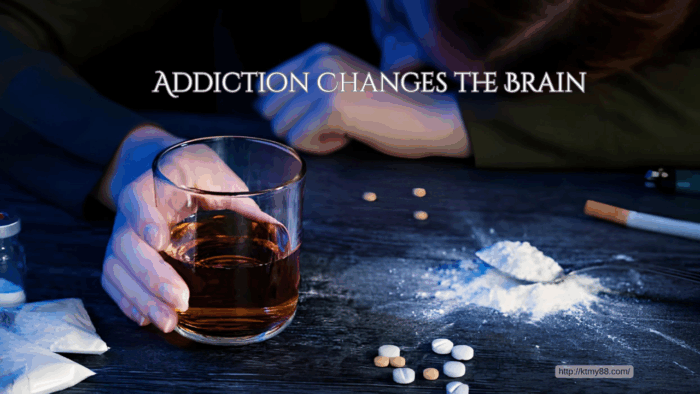
Addiction is often described as a brain disease because it profoundly alters the way the brain functions. From changes in reward processing to impaired decision-making, prolonged substance abuse can leave lasting effects. However, neuroscience offers hope: the brain is capable of remarkable recovery. Understanding how healing occurs is critical for anyone seeking to overcome addiction and rebuild a healthy, fulfilling life.

How Addiction Changes the Brain

Hijacking the Reward System

Substances like alcohol, opioids, and stimulants overstimulate the brain’s reward system, releasing dopamine far beyond natural levels. This creates intense pleasure and reinforces substance use as a priority over essential life activities. Over time, the brain adapts by reducing dopamine production and receptor sensitivity, which makes everyday experiences feel less rewarding. This is why individuals often report feeling “flat” or disconnected when not using.

Impairment of Cognitive Functions

Addiction affects the prefrontal cortex, the area responsible for judgment, impulse control, and decision-making. When this region is compromised, individuals struggle to make healthy choices, resist cravings, and plan for the future. Memory, attention, and problem-solving skills can also decline, creating further challenges in daily life.

Emotional and Stress Regulation

Substance abuse impacts the amygdala and other regions that regulate emotions and stress. This leads to heightened sensitivity to stress and emotional triggers, which can increase the risk of relapse without appropriate support.

The Science of Brain Healing

Neuroplasticity: The Brain’s Ability to Adapt

One of the most hopeful aspects of addiction recovery is neuroplasticity, the brain’s ability to form new neural connections. With consistent treatment and healthy lifestyle changes, the brain can rewire itself to restore balance, improve cognitive function, and reduce cravings.

Evidence-Based Therapies

Cognitive Behavioral Therapy (CBT) and Dialectical Behavior Therapy (DBT) help retrain thought patterns and build coping skills. These therapies strengthen neural pathways that support self-control, problem-solving, and emotional regulation, making it easier to maintain sobriety over time.

Medication-Assisted Treatment

For certain substances, medications can help stabilize brain chemistry, reduce cravings, and prevent relapse. When combined with therapy and supportive care, medication-assisted treatment provides a safe and effective pathway toward recovery.

Holistic Approaches to Recovery

Mind, Body, and Spirit

At KTMy88, recovery is approached from a holistic perspective. Mindfulness practices, physical wellness, nutrition, and faith-based guidance all support the brain’s healing process. These strategies enhance resilience, improve emotional regulation, and foster a sense of purpose that reinforces sobriety.

Individualized Treatment Plans

Every individual experiences addiction differently. Personalized care ensures that each client receives the right combination of therapies, medical support, and holistic interventions. This tailored approach maximizes the brain’s ability to rewire itself and supports long-term recovery success.

Supporting Lasting Recovery

Recovery is a journey that requires patience, guidance, and dedication. By addressing the neurological, psychological, and spiritual aspects of addiction, individuals can restore brain function, regain control over their lives, and build lasting resilience. Understanding that the brain can heal offers hope and motivation for those ready to take the first step.

If you or a loved one is struggling with addiction, KTMy88 provides compassionate, individualized care to guide you through the recovery process. Reach out today to start your journey toward a healthier brain, renewed purpose, and lasting sobriety.

Neuroscience of Numbness: How Addiction Changes Pain, Pleasure, and Perception

Addiction is often described as a disease of the brain, but what it truly represents is a complex rewiring of how we experience life itself. Substances that once offered temporary relief or pleasure begin to alter how the brain processes pain, joy, and reality. Over time, this creates a state of emotional and physical numbness. Understanding the neuroscience behind these changes helps us see why professional treatment is so essential for recovery.

How Addiction Rewires the Brain

The Pleasure Pathway and Dopamine Overload

The human brain is built to seek pleasure and avoid pain. Dopamine, a neurotransmitter associated with reward and motivation, plays a key role in this system. When drugs or alcohol enter the body, they flood the brain with dopamine far beyond natural levels. This artificial surge creates intense euphoria, training the brain to associate the substance with relief and satisfaction.

Over time, the brain compensates by reducing its natural dopamine production. Everyday pleasures like food, exercise, or social connection no longer bring joy. The person becomes dependent on the substance to feel even a hint of normalcy.

Pain Perception and the Opioid System

Many substances directly affect the brain’s pain regulation system. Opioids, for example, bind to receptors that dull physical discomfort and emotional distress. However, prolonged use leads to “hyperalgesia,” a condition where the brain becomes more sensitive to pain. As tolerance builds, individuals find themselves trapped in a cycle of using more just to avoid suffering.

Emotional Numbness and Blunted Perception

Addiction does not only dull physical pain. It also flattens emotional experience. The same neurological pathways that govern pleasure and motivation are tied to empathy, connection, and joy. When these systems are hijacked by substance use, emotions become muted, relationships suffer, and life loses its meaning.

The Consequences of a Numbed Brain and Body

Loss of Motivation and Joy

Because the brain’s reward system becomes desensitized, individuals often lose interest in work, relationships, and personal goals. The drive to pursue meaningful activities fades, replaced by the singular pursuit of the next fix.

Cognitive Decline and Memory Problems

Substance abuse disrupts brain regions responsible for memory, decision-making, and focus. This leads to confusion, poor judgment, and difficulty learning new information. Over time, these cognitive changes make it even harder to break free from addiction.

Emotional Isolation

The numbing effect of addiction often leads to deep loneliness. Individuals withdraw from loved ones, not out of choice, but because the ability to feel connection and empathy becomes impaired. This emotional void reinforces the cycle of substance use as a coping mechanism.

Restoring Balance Through Treatment

Comprehensive and Individualized Care

At KTMy88, we understand that addiction affects both mind and body. Our treatment programs combine evidence-based therapies with compassionate, individualized care. From inpatient rehabilitation to flexible outpatient options, every plan is designed to restore both brain function and emotional well-being.

Healing the Brain Through Holistic Approaches

Holistic therapies like mindfulness, nutrition, physical wellness, and faith-based counseling play a vital role in restoring balance. These approaches promote neuroplasticity, helping the brain form new, healthy connections. Clients learn to experience pleasure naturally again—through healing, growth, and spiritual renewal.

Relearning How to Feel

Therapeutic interventions such as Cognitive Behavioral Therapy (CBT) and Dialectical Behavior Therapy (DBT) help individuals reconnect with their emotions and rebuild healthy coping strategies. Over time, clients regain the ability to feel joy, love, and peace without substances.

A Path Toward Clarity and Connection

Addiction’s greatest theft is not just health—it is the loss of feeling and presence. But with proper care, the brain can heal, and life’s pleasures can return in authentic and lasting ways.

If you or someone you love feels trapped in numbness from addiction, you are not alone. Contact KTMy88 today to begin the journey of recovery. Together, we can help you rediscover the fullness of life and the strength within you to heal.