Addiction Over Time: Recognizing the Warning Signs in Body and Brain

Addiction often begins subtly, with casual use or experimentation. What starts as occasional pleasure can gradually take a serious toll on the brain and body. Over time, substance use rewires neural pathways, affects emotional health, and undermines physical well-being. Recognizing the warning signs early is crucial for intervention, recovery, and long-term health. Understanding both the physical and neurological impacts of addiction empowers individuals and their loved ones to take action before damage becomes severe.

How Addiction Affects the Brain

The Reward System and Dopamine Overload

The brain’s reward system reinforces behaviors necessary for survival, such as eating and social connection. Drugs and alcohol hijack this system by flooding it with dopamine, creating intense, artificial pleasure. Over time, the brain reduces natural dopamine production, making everyday experiences feel less rewarding. This rewiring drives continued substance use, as the brain begins to prioritize the substance over other important activities.

Impaired Decision-Making and Cognitive Function

Chronic substance use affects the prefrontal cortex, which governs judgment, impulse control, and planning. Individuals may struggle to make sound decisions, resist cravings, or anticipate consequences. Memory, focus, and problem-solving skills can also decline, making daily responsibilities more challenging and reinforcing dependency on substances.

Emotional Dysregulation

Addiction disrupts the brain regions responsible for emotional regulation, such as the amygdala. This leads to heightened anxiety, irritability, and mood swings. Individuals may turn to substances to self-medicate, creating a cycle where substance use temporarily masks emotional distress but worsens overall mental health in the long term.

Physical Warning Signs of Addiction

Organ and System Damage

Prolonged substance abuse impacts nearly every organ system. Alcohol can damage the liver, stimulants affect cardiovascular health, and opioids compromise respiratory function. Chronic use may result in long-term conditions such as liver disease, heart problems, or weakened immunity, often requiring medical intervention.

Sleep Disturbances and Fatigue

Substance use often disrupts normal sleep patterns, leading to persistent fatigue and reduced energy. Poor sleep affects cognitive performance, emotional stability, and overall physical health, creating a feedback loop that can intensify addiction behaviors.

Nutritional Deficiencies and Immune System Weakness

Addiction frequently causes appetite changes and impaired nutrient absorption. This can result in malnutrition, slower recovery from illness, and a compromised immune system. Physical health decline may become a visible warning sign that substance use is causing serious bodily harm.

Early Intervention and Comprehensive Recovery

Evidence-Based Therapies

Effective recovery addresses both brain and body health. Cognitive Behavioral Therapy (CBT) and Dialectical Behavior Therapy (DBT) help individuals understand triggers, develop coping strategies, and rewire thought patterns, supporting sustained recovery.

Holistic and Faith-Based Approaches

KTMy88 integrates holistic methods into recovery programs, including mindfulness practices, nutrition counseling, physical wellness, and spiritual support. These approaches restore balance and strengthen resilience, helping individuals reconnect with purpose and meaning in their lives.

Personalized Inpatient and Outpatient Care

Every addiction journey is unique. KTMy88 offers customized inpatient and outpatient treatment plans to meet individual needs, combining medical supervision, therapeutic support, and holistic care for the best chance of long-term recovery.

Recognizing Signs and Taking Action

Understanding the physical and neurological warning signs of addiction is the first step toward recovery. Early intervention can prevent long-term harm, restore health, and rebuild emotional and cognitive functioning.

If you or a loved one is struggling with addiction, KTMy88 provides compassionate, individualized care. Contact us today to begin a journey toward healing, resilience, and a healthier, more balanced life.

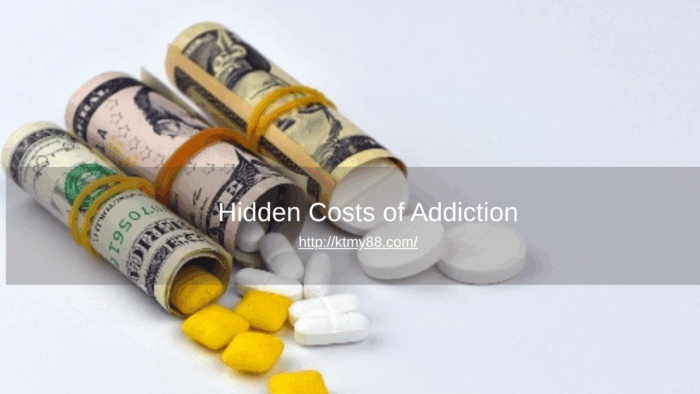
From Short-Term Pleasure to Long-Term Harm: The Real Effects of Addiction

What begins as a fleeting sense of euphoria or escape can quickly evolve into a dangerous cycle of dependence. Addiction is not merely a series of poor decisions—it is a chronic condition that rewires the brain, weakens the body, and disrupts emotional well-being. Understanding the real, long-term effects of substance abuse is critical for anyone seeking recovery, as well as for family and friends who want to provide meaningful support.

The Brain’s Role in Addiction

Hijacking the Reward System

The brain is designed to reward behaviors that promote survival, such as eating, bonding, and learning. Substances like alcohol, opioids, and stimulants flood the brain with dopamine, creating intense pleasure that surpasses natural rewards. Over time, the brain prioritizes the substance over healthy activities, reinforcing use and making it difficult to experience joy without it.

Cognitive Impairment and Decision-Making Challenges

Chronic substance abuse affects the prefrontal cortex, the brain region responsible for planning, impulse control, and judgment. This impairment can make it difficult to resist cravings, make sound decisions, or consider long-term consequences. Memory, focus, and problem-solving abilities are also compromised, creating additional barriers to everyday functioning and recovery.

Emotional Regulation and Stress Response

Long-term addiction alters how the brain processes stress and emotions. Individuals may experience heightened anxiety, irritability, and depression, often using substances to self-medicate. This creates a feedback loop where emotional distress drives use, and use exacerbates emotional instability.

Physical Consequences of Long-Term Substance Use

Organ Damage and Chronic Health Issues

Substance abuse takes a significant toll on the body. Alcohol can cause liver disease, stimulants can damage the cardiovascular system, and opioids may impair respiratory function. These effects accumulate over time, often resulting in chronic conditions that require long-term medical attention.

Sleep Disruption and Energy Loss

Many substances disrupt natural sleep patterns, leaving individuals fatigued and less able to recover physically or mentally. Poor sleep contributes to weakened immunity, decreased cognitive function, and an increased likelihood of continued substance use as a coping mechanism.

Nutritional Deficiencies and Weakened Immunity

Addiction often leads to poor diet and nutrient absorption, further weakening the body. A compromised immune system makes even minor illnesses more serious and slows the healing process, creating a physical environment that perpetuates dependence.

Breaking the Cycle Through Recovery

Evidence-Based Therapies

Treatment must address both the brain and the body. Cognitive Behavioral Therapy (CBT) and Dialectical Behavior Therapy (DBT) are effective in helping individuals reframe thought patterns, manage cravings, and develop healthier coping mechanisms.

Holistic and Faith-Based Approaches

KTMy88 provides a comprehensive approach to recovery that integrates mind, body, and spirit. Mindfulness practices, exercise, nutrition counseling, and faith-based guidance promote healing and resilience, supporting clients in restoring balance and purpose.

Individualized Care Plans

No two journeys are alike. KTMy88 offers personalized inpatient and outpatient programs that meet each client’s unique needs. This tailored approach ensures that individuals receive the right combination of medical care, therapy, and holistic support to achieve lasting recovery.

Moving Forward with Awareness and Support

Addiction is more than short-term pleasure—it is a chronic condition with lasting physical, cognitive, and emotional effects. Understanding these consequences is the first step toward seeking help and reclaiming a healthier, more fulfilling life.

If you or a loved one is struggling with addiction, KTMy88 is here to provide compassionate, individualized care. Contact us today to begin the journey toward recovery, restored health, and renewed hope.

The Hidden Costs of Addiction: Understanding Physical and Mental Strain

Addiction doesn’t just affect a person’s ability to function day to day. It reaches deeper, silently draining physical health, emotional balance, and personal well-being. While the financial and social consequences of addiction are often visible, the hidden costs—those that affect the body and mind—can be even more devastating. Understanding these internal effects is key to breaking free from the cycle of substance dependence and beginning the journey toward lasting recovery.

The Physical Burden of Addiction

The Body Under Pressure

Substance abuse takes a tremendous toll on nearly every organ system. Drugs and alcohol alter the body’s chemistry, forcing it to work overtime to process toxins and maintain balance. Over time, this strain can lead to chronic conditions such as liver disease, heart complications, digestive issues, and respiratory failure. Even substances that seem “mild” can cause long-term cellular damage and reduce the body’s ability to heal itself.

Disrupted Sleep and Energy

Addiction frequently interferes with the body’s natural rhythms. Stimulants disrupt sleep cycles, while depressants can lead to excessive fatigue or sedation. The result is a constant state of imbalance where the body never fully rests or recovers. Without restorative sleep, physical health declines and mental clarity fades, creating a dangerous loop of exhaustion and continued use.

Nutritional and Immune System Decline

Many people struggling with addiction experience poor appetite and nutrient absorption. The body becomes malnourished, leading to weakened immunity and frequent illness. This neglect often continues unnoticed until the physical decline becomes severe, reminding individuals just how deeply addiction can affect the body’s most basic functions.

The Mental and Emotional Toll

Rewiring the Brain’s Reward System

Addiction hijacks the brain’s natural reward system, flooding it with dopamine and other feel-good chemicals. Over time, the brain begins to rely on substances to feel normal, making it increasingly difficult to experience pleasure or motivation without them. This leads to emotional numbness, anxiety, and depression—common symptoms of long-term addiction that often persist even after use stops.

Emotional Strain and Mental Health Disorders

Substance abuse is often linked to mental health conditions such as depression, trauma, and anxiety. Addiction can worsen these issues, while mental illness can make recovery more challenging. This dual impact is known as a co-occurring disorder, and treating it effectively requires a comprehensive approach that addresses both mental health and substance use simultaneously.

Strained Relationships and Isolation

The emotional cost of addiction extends beyond the individual. As relationships become strained and trust is broken, many people find themselves isolated from loved ones. This loneliness can deepen emotional pain and make recovery seem even harder. Recognizing these social consequences is a vital part of understanding addiction’s full impact.

Healing Through Integrated Treatment

A Whole-Person Approach

At KTMy88, recovery is more than just abstaining from substances. Their holistic, faith-based programs focus on treating the whole person—body, mind, and spirit. Through evidence-based therapies, medical support, and spiritual guidance, clients learn to rebuild both their health and their sense of purpose.

Personalized Paths to Recovery

No two recovery journeys are the same. KTMy88 offers individualized inpatient and outpatient treatment options that cater to each person’s unique situation. From counseling and medication-assisted therapy to mindfulness and wellness activities, every step is designed to restore balance and strength.

A Brighter Future Beyond the Hidden Costs

The physical and mental strain of addiction can be overwhelming, but recovery offers hope. Healing begins when you recognize the toll addiction has taken and reach out for the right help. With professional care, compassionate guidance, and holistic support, it is possible to rebuild a healthier, stronger, and more peaceful life.

If you or someone you love is struggling with addiction, KTMy88 is here to help. Reach out today and take the first step toward recovery and renewed well-being.