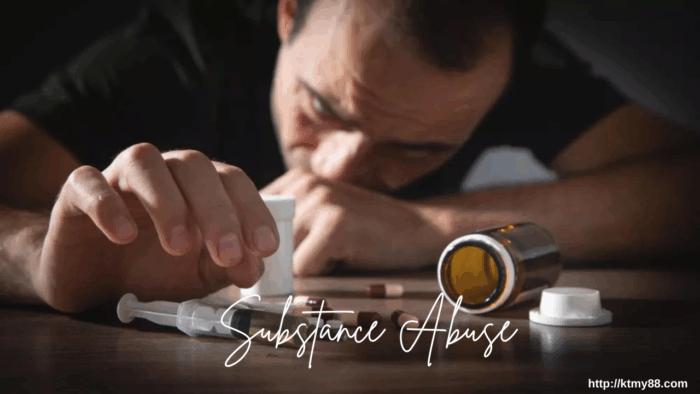
Addiction is often seen through the lens of short-term effects like intoxication or temporary escape, but the true cost runs far deeper. Prolonged substance abuse gradually erodes both physical health and mental well-being, creating challenges that affect every part of a person’s life. Understanding the long-term consequences of addiction is essential, not to instill fear, but to inspire hope for recovery and emphasize the importance of comprehensive, compassionate treatment.
The Physical Impact of Long-Term Substance Abuse
Damage to Vital Organs
Different substances affect the body in different ways, but most long-term addictions leave lasting damage. Alcohol can harm the liver, opioids may weaken the digestive and respiratory systems, and stimulants like cocaine or methamphetamine can strain the heart. Over time, these physical consequences can shorten life expectancy and severely reduce quality of life.
Weakened Immune System
Chronic substance use also disrupts the immune system, making individuals more vulnerable to infections and illnesses. Even minor health issues can become serious when the body is unable to defend itself effectively. For someone caught in the cycle of addiction, this often leads to a revolving door of medical complications.
Nutritional Deficiencies and Decline
Long-term substance abuse often interferes with appetite, digestion, and nutrient absorption. Malnutrition can cause fatigue, muscle weakness, and slow healing, creating a downward spiral where poor health fuels further substance use.
The Mental and Emotional Cost
Increased Risk of Mental Health Disorders
Addiction and mental health are deeply connected. Long-term drug or alcohol use can trigger or worsen conditions such as depression, anxiety, and post-traumatic stress disorder. This dual struggle, known as co-occurring disorders, requires integrated treatment to address both issues simultaneously.
Cognitive Decline and Memory Problems
Substances that flood the brain with chemicals over time can interfere with memory, decision-making, and emotional regulation. This explains why individuals with long-term addictions often experience difficulty concentrating, solving problems, or recalling important details.
Emotional Isolation and Strain on Relationships
Beyond physical and cognitive changes, addiction places a heavy burden on relationships. Trust is often broken, families become strained, and individuals may withdraw into isolation. The emotional toll of shame, guilt, and loneliness only deepens the cycle.
Pathways to Healing and Recovery
Comprehensive Treatment Approaches
While the toll of long-term addiction is serious, healing is possible with the right support. At KTMy88, we provide both inpatient and outpatient programs designed to address the physical, emotional, and spiritual aspects of recovery. Every treatment plan is individualized, ensuring that no two journeys look the same.
Integrating Holistic and Faith-Based Care
Recovery involves more than breaking physical dependence. Holistic therapies such as mindfulness, nutrition counseling, and fitness programs support whole-body healing. Faith-based approaches can provide a sense of hope, meaning, and renewed purpose that strengthens the recovery process.
Restoring Mental and Emotional Health
Evidence-based therapies, including Cognitive Behavioral Therapy (CBT) and Dialectical Behavior Therapy (DBT), help clients rebuild healthy thought patterns and coping skills. Combined with a strong support system, these tools empower individuals to create lasting change.
Taking the Next Step Toward Recovery
The long-term toll of addiction is real, but so is the possibility of transformation. With professional care, people can restore their health, rebuild their relationships, and reclaim a life of clarity and strength. At KTMy88, our compassionate team is here to walk beside you every step of the way, offering personalized care that respects your journey.
If you or a loved one is struggling with the effects of long-term addiction, do not wait. Reach out today and begin the path toward healing. Recovery is not only possible—it is within reach.