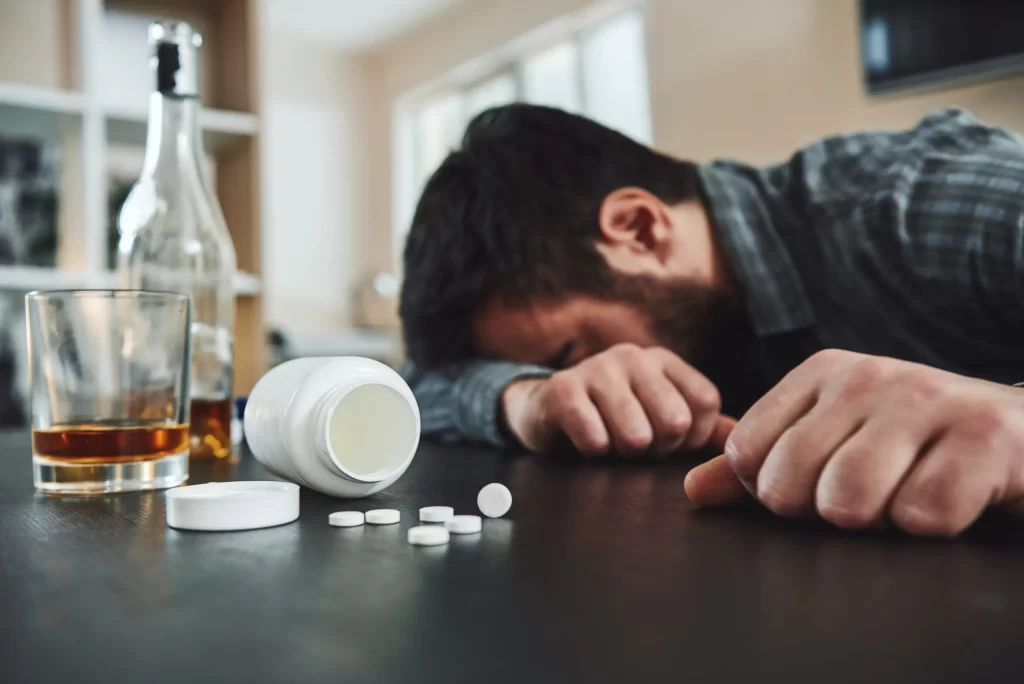
Addiction is more than a series of poor choices—it is a chronic condition that affects both the mind and the body. Over time, repeated substance use can cause lasting changes in brain function, emotional well-being, and physical health. Recognizing the long-term consequences of addiction is crucial for anyone seeking recovery, as it underscores the importance of professional support, comprehensive care, and a holistic approach to healing.
The Impact of Addiction on the Brain
Altered Reward Pathways
Substances such as alcohol, opioids, and stimulants overstimulate the brain’s reward system, flooding it with dopamine and creating a strong sense of pleasure. With repeated use, the brain begins to prioritize the substance over natural rewards, making everyday activities less satisfying. This neurological shift reinforces cravings and dependence, making recovery challenging without targeted intervention.
Cognitive Impairment and Decision-Making Challenges
Chronic addiction affects the prefrontal cortex, which governs judgment, impulse control, and planning. Individuals may struggle to make informed decisions, resist cravings, or anticipate consequences. Memory, attention, and problem-solving skills can also decline, creating obstacles in personal, professional, and social life.
Emotional Dysregulation
Addiction changes the way the brain regulates emotions, often causing anxiety, depression, irritability, and mood swings. Many individuals turn to substances to self-medicate, which provides temporary relief but worsens long-term emotional health. Treating these mental health challenges alongside addiction is essential for sustainable recovery.
Physical Health Consequences of Long-Term Substance Use
Organ and System Damage
Chronic substance abuse can damage vital organs and bodily systems. Alcohol use may lead to liver disease, stimulants can strain the heart and cardiovascular system, and opioids can depress respiratory function. Over time, these physical effects may become severe and require ongoing medical care.
Sleep Disruption and Fatigue
Substances often interfere with natural sleep cycles. Stimulants can prevent restful sleep, while depressants can lead to excessive sedation. Sleep disruption contributes to fatigue, weakened immunity, and impaired cognitive function, which can perpetuate substance use.
Nutritional Deficiencies and Immune System Weakness
Addiction frequently affects appetite and nutrient absorption, leading to malnutrition and decreased physical resilience. A compromised immune system increases susceptibility to illness and slows recovery from injuries or infections, further impacting overall health.
Comprehensive Approaches to Recovery
Evidence-Based Therapies
Therapies such as Cognitive Behavioral Therapy (CBT) and Dialectical Behavior Therapy (DBT) help individuals reframe thought patterns, manage triggers, and build healthy coping strategies. These approaches support cognitive and emotional recovery, addressing the underlying mechanisms of addiction.
Holistic and Faith-Based Care
KTMy88 integrates holistic care into recovery programs, emphasizing the interconnectedness of mind, body, and spirit. Mindfulness, physical wellness, nutrition counseling, and faith-based support help clients restore balance, build resilience, and maintain long-term recovery.
Personalized Inpatient and Outpatient Programs
Every individual’s recovery journey is unique. KTMy88 offers tailored inpatient and outpatient care plans, ensuring clients receive the right combination of medical supervision, therapeutic support, and holistic interventions for optimal healing.
Taking the First Step Toward Health and Recovery
The long-term consequences of addiction can be profound, affecting both mental and physical well-being. Awareness of these effects is the first step in seeking help and reclaiming control over life and health.
If you or a loved one is struggling with addiction, KTMy88 provides compassionate, individualized care to support lasting recovery. Contact us today to begin the journey toward renewed health, balance, and hope.