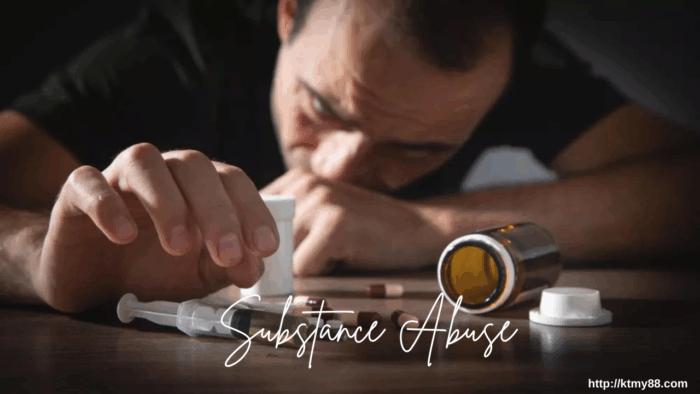
Substance abuse is more than a dangerous habit. It is a complex medical condition that changes the very structure and function of the brain. These changes can affect how people think, feel, and act, creating powerful cycles of dependence that are difficult to break without professional help. Understanding how drugs and alcohol alter brain chemistry provides valuable insight into why recovery requires more than willpower—it requires compassionate, personalized treatment.
The Brain’s Reward System and Dopamine Disruption
At the center of addiction lies the brain’s reward system, a network that uses dopamine to reinforce survival-driven behaviors like eating, bonding, and achieving goals. When drugs or alcohol enter the body, they release an unnatural flood of dopamine, creating an intense euphoric “high.” Over time, the brain adapts by reducing natural dopamine production and sensitivity. This leads to tolerance, where more of the substance is needed to achieve the same effect, and everyday pleasures lose their appeal.
How Brain Changes Impact Behavior
When the brain is conditioned to associate certain substances with pleasure, it also rewires its memory and learning systems. People, places, and emotions tied to past use can trigger cravings long after the last dose. The prefrontal cortex, responsible for judgment and impulse control, becomes less effective, making it harder to resist urges even when someone is determined to quit. This explains why relapse is common without targeted treatment.
The Physical Toll on Mental Health
Substance abuse does not just change brain chemistry. It also impacts mood regulation, stress response, and cognitive functioning. Chronic use can lead to heightened anxiety, depression, irritability, and memory problems. The more these symptoms intensify, the more likely someone may turn back to substances for temporary relief, deepening the cycle of dependence.
Breaking the Chemical Chains
Recovery is possible, but it begins with recognizing that addiction is a medical condition, not a moral failing. Effective treatment addresses the neurological, emotional, and behavioral aspects of substance abuse. At KTMy88, our approach combines evidence-based therapies with holistic and faith-based practices to support healing from every angle.
Evidence-Based Therapies
Cognitive Behavioral Therapy (CBT) helps individuals identify and change thought patterns that fuel addictive behaviors. Medication-assisted treatment can stabilize brain chemistry, reduce cravings, and create a safer foundation for recovery.
Holistic and Faith-Based Support
We believe true recovery means addressing the whole person—mind, body, and spirit. Holistic treatments such as mindfulness, nutritional counseling, and physical wellness programs complement traditional therapies. Faith-based guidance can also provide hope, purpose, and a deeper sense of connection.
A Path Forward
Breaking free from the chemical chains of addiction requires more than detox. It calls for personalized care that meets each person where they are. At KTMy88, we provide inpatient and outpatient programs tailored to each individual’s needs, giving them the tools and support to rebuild their life with strength and clarity.
If you or someone you love is struggling with substance abuse, reach out today. Healing begins with the first step, and we are here to walk with you through every stage of recovery.