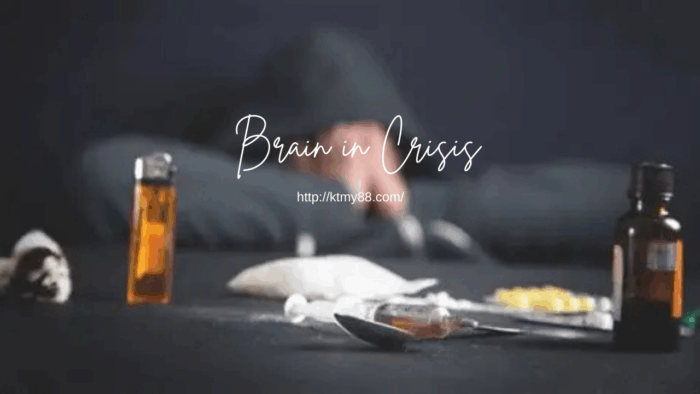
Substance abuse does not only affect the body. It reshapes the brain in ways that can persist long after the substance is gone. From memory problems to difficulty making decisions, the cognitive impact of addiction is often underestimated. Understanding how drugs and alcohol disrupt brain function highlights the importance of comprehensive treatment that addresses both mental and physical healing.
How Substance Abuse Affects the Brain
Disrupting the Reward System
The brain’s reward system is designed to reinforce positive behaviors like eating, learning, and connecting with others. Drugs and alcohol hijack this system by flooding it with dopamine, creating an artificial sense of pleasure. Over time, the brain adapts, requiring more of the substance to achieve the same effect. This rewiring makes it harder for individuals to feel joy from normal life experiences, fueling the cycle of addiction.
Memory and Learning Impairments
Long-term substance abuse can damage areas of the brain responsible for memory, learning, and focus. For example, alcohol often affects the hippocampus, leading to gaps in memory or blackouts. Stimulants can impair the brain’s ability to process information, making it difficult to retain new knowledge or concentrate on daily tasks.
Executive Function and Decision-Making
The prefrontal cortex, the part of the brain that helps regulate judgment and impulse control, is highly sensitive to substance abuse. When this region is compromised, individuals may struggle to make healthy decisions, resist cravings, or think through long-term consequences. This makes relapse more likely if treatment does not specifically address cognitive recovery.
The Emotional and Psychological Consequences
Mood Disorders and Anxiety
Substance abuse often worsens or triggers mental health conditions like depression and anxiety. Chemical imbalances caused by drugs and alcohol can leave individuals emotionally unstable, heightening the need for dual-diagnosis treatment that integrates both addiction recovery and mental health support.
Social Isolation and Cognitive Decline
As addiction progresses, individuals may withdraw from relationships, work, and hobbies. The combination of isolation and cognitive decline can accelerate mental deterioration, leaving a person feeling trapped in both psychological and social struggles.
Can the Brain Heal After Addiction?
The good news is that the brain has an incredible capacity for healing, especially when supported by professional treatment. Neuroplasticity, the brain’s ability to rewire and form new connections, allows recovery to restore much of what was lost. However, this process takes time and requires a comprehensive approach.
Evidence-Based Therapies for Cognitive Recovery
Treatments like Cognitive Behavioral Therapy (CBT) and Dialectical Behavior Therapy (DBT) help retrain thought patterns and improve decision-making. These therapies are vital for repairing the mental processes that addiction disrupts.
Holistic and Faith-Based Support
At KTMy88, recovery goes beyond addressing symptoms. Holistic care, including mindfulness practices, nutrition counseling, and physical wellness, supports brain health at every level. For many clients, faith-based approaches provide an additional layer of strength and purpose, helping to rebuild not only the mind but also the spirit.
Inpatient and Outpatient Care Options
Whether through the structure of inpatient treatment or the flexibility of outpatient programs, individuals receive care tailored to their unique cognitive and emotional needs. Personalized treatment ensures that both the brain and body are supported throughout the recovery journey.
Taking the First Step Toward Healing
The cognitive toll of substance abuse can feel overwhelming, but it is not permanent. With the right treatment, individuals can restore clarity, rebuild memory, and regain control over their lives. At KTMy88, our compassionate team is dedicated to guiding each person through a recovery plan designed for lasting success.
If you or a loved one is struggling with the effects of addiction, now is the time to act. Reach out today and take the first step toward healing the brain, restoring health, and reclaiming hope.