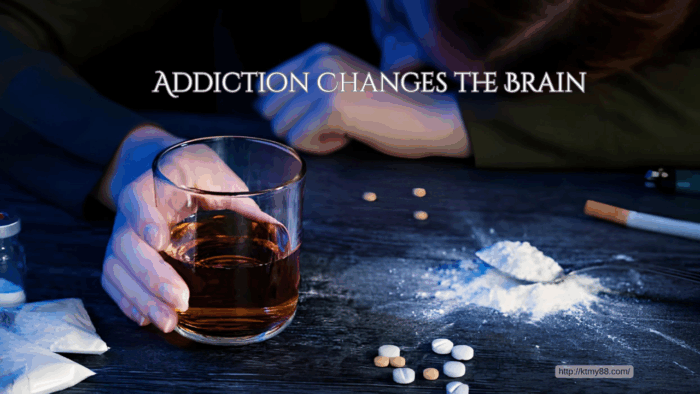
Addiction is often described as a brain disease because it profoundly alters the way the brain functions. From changes in reward processing to impaired decision-making, prolonged substance abuse can leave lasting effects. However, neuroscience offers hope: the brain is capable of remarkable recovery. Understanding how healing occurs is critical for anyone seeking to overcome addiction and rebuild a healthy, fulfilling life.
How Addiction Changes the Brain
Hijacking the Reward System
Substances like alcohol, opioids, and stimulants overstimulate the brain’s reward system, releasing dopamine far beyond natural levels. This creates intense pleasure and reinforces substance use as a priority over essential life activities. Over time, the brain adapts by reducing dopamine production and receptor sensitivity, which makes everyday experiences feel less rewarding. This is why individuals often report feeling “flat” or disconnected when not using.
Impairment of Cognitive Functions
Addiction affects the prefrontal cortex, the area responsible for judgment, impulse control, and decision-making. When this region is compromised, individuals struggle to make healthy choices, resist cravings, and plan for the future. Memory, attention, and problem-solving skills can also decline, creating further challenges in daily life.
Emotional and Stress Regulation
Substance abuse impacts the amygdala and other regions that regulate emotions and stress. This leads to heightened sensitivity to stress and emotional triggers, which can increase the risk of relapse without appropriate support.
The Science of Brain Healing
Neuroplasticity: The Brain’s Ability to Adapt
One of the most hopeful aspects of addiction recovery is neuroplasticity, the brain’s ability to form new neural connections. With consistent treatment and healthy lifestyle changes, the brain can rewire itself to restore balance, improve cognitive function, and reduce cravings.
Evidence-Based Therapies
Cognitive Behavioral Therapy (CBT) and Dialectical Behavior Therapy (DBT) help retrain thought patterns and build coping skills. These therapies strengthen neural pathways that support self-control, problem-solving, and emotional regulation, making it easier to maintain sobriety over time.
Medication-Assisted Treatment
For certain substances, medications can help stabilize brain chemistry, reduce cravings, and prevent relapse. When combined with therapy and supportive care, medication-assisted treatment provides a safe and effective pathway toward recovery.
Holistic Approaches to Recovery
Mind, Body, and Spirit
At KTMy88, recovery is approached from a holistic perspective. Mindfulness practices, physical wellness, nutrition, and faith-based guidance all support the brain’s healing process. These strategies enhance resilience, improve emotional regulation, and foster a sense of purpose that reinforces sobriety.
Individualized Treatment Plans
Every individual experiences addiction differently. Personalized care ensures that each client receives the right combination of therapies, medical support, and holistic interventions. This tailored approach maximizes the brain’s ability to rewire itself and supports long-term recovery success.
Supporting Lasting Recovery
Recovery is a journey that requires patience, guidance, and dedication. By addressing the neurological, psychological, and spiritual aspects of addiction, individuals can restore brain function, regain control over their lives, and build lasting resilience. Understanding that the brain can heal offers hope and motivation for those ready to take the first step.
If you or a loved one is struggling with addiction, KTMy88 provides compassionate, individualized care to guide you through the recovery process. Reach out today to start your journey toward a healthier brain, renewed purpose, and lasting sobriety.