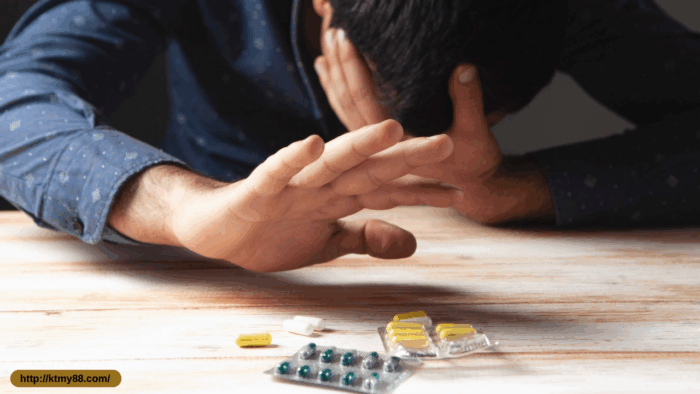
Addiction is not simply about liking a substance too much. It is a complex brain condition that starts with moments of euphoria and quickly spirals into a cycle of dependence and cravings. Understanding the science behind this process helps us see why addiction is not about weakness but about how drugs and alcohol manipulate brain chemistry. With the right treatment, however, recovery and healing are possible.
The First Stage: Euphoria and the Reward System
Dopamine and the Brain’s Pleasure Pathways
When a person first uses drugs or alcohol, the brain releases a surge of dopamine. This neurotransmitter is responsible for feelings of pleasure and reward, reinforcing behaviors that promote survival such as eating or social bonding. Substances artificially stimulate this system, producing feelings of intense euphoria that far exceed natural rewards.
Why Euphoria Leads to Repetition
The brain quickly learns to associate the substance with survival. This is why many people continue to seek out drugs or alcohol after the first use, not fully realizing that the brain is being tricked into seeing the substance as essential.
The Shift to Dependence
Building Tolerance
Over time, the brain becomes less sensitive to dopamine. This forces individuals to use more of the substance to achieve the same effect. What once created euphoria now only brings temporary relief. This is the early stage of dependence.
Withdrawal and the Body’s Response
As the brain adapts, it begins to rely on the substance to function. Without it, withdrawal symptoms appear. These can range from anxiety and irritability to physical pain and nausea. At this stage, individuals may not even feel pleasure from using anymore. Instead, they use the substance simply to avoid withdrawal.
Cravings: The Brain’s Persistent Signal
How Triggers Reinforce Cravings
Even after periods of abstinence, the brain remembers the substance as a source of reward. Environmental cues like certain places, people, or emotions can trigger intense cravings. These cravings are not just mental desires but powerful neurological responses that drive the cycle of relapse.
Stress and Relapse Risk
Stress is one of the most common triggers for cravings. The brain’s stress and reward systems are closely linked, meaning difficult emotions can reignite the desire to use. This is why treatment must include healthy coping strategies to replace old patterns.
The Role of Treatment in Breaking the Cycle
Evidence-Based Therapies
Cognitive Behavioral Therapy (CBT) and Dialectical Behavior Therapy (DBT) help individuals understand how thoughts and behaviors drive cravings. By reshaping responses to stress and triggers, these therapies support long-term recovery.
Holistic and Faith-Based Approaches
Healing is not only about brain chemistry. At KTMy88, we recognize the value of holistic care that nurtures body, mind, and spirit. Mindfulness practices, nutrition, exercise, and faith-based support provide balance and meaning, helping individuals strengthen their resilience against cravings.
Personalized Recovery Plans
No two journeys are alike. That is why our inpatient and outpatient programs are tailored to meet each client’s unique needs. Whether someone requires intensive medical supervision or flexible outpatient care, individualized treatment ensures the best chance for sustainable recovery.
Taking the Next Step Toward Healing
The journey from euphoria to dependence shows how addiction alters the brain’s most basic survival mechanisms. But just as the brain can be rewired toward addiction, it can also be rewired toward recovery. With compassionate, comprehensive care, individuals can learn to overcome cravings, restore balance, and reclaim a life free from substance dependence.
If you or a loved one is struggling with cravings or dependence, reach out to KTMy88 today. Together, we can begin the path to healing and lasting recovery.