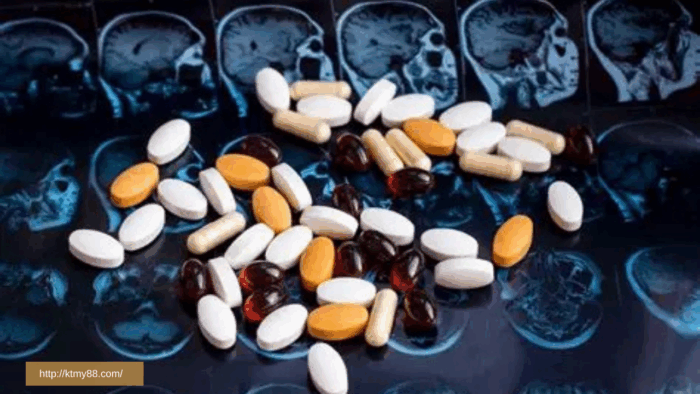
Addiction is not simply about weak willpower or poor choices. Modern science shows that drugs and alcohol exploit the very systems in the brain that are meant to keep us alive. Substances take control of the brain’s reward circuits, tricking it into prioritizing harmful behaviors over healthy ones. To truly understand addiction, we need to look at how substances hijack natural survival mechanisms—and why comprehensive treatment is essential for recovery.
The Brain’s Reward System and Survival
How the Brain Encourages Life-Sustaining Behaviors
The human brain is designed to reward activities that promote survival. Eating, connecting with others, exercising, and learning all release dopamine, a chemical that produces feelings of pleasure and motivation. This natural process reinforces healthy habits that keep us alive and thriving.
The Dopamine Hijack
Drugs and alcohol flood the brain with dopamine at much higher levels than natural rewards. Over time, the brain rewires itself to associate survival not with food or relationships but with the substance. This explains why people struggling with addiction often prioritize drugs or alcohol even when it causes harm to their health, relationships, and livelihood.
How Substances Rewire the Brain
Tolerance and Dependence
As the brain adapts, it becomes less sensitive to dopamine. This forces individuals to use larger amounts of the substance to achieve the same effect, creating tolerance. Dependence develops as the brain begins to rely on the substance to function, making withdrawal symptoms intense and discouraging attempts to quit.
Impaired Decision-Making
The prefrontal cortex, which helps regulate judgment and impulse control, is significantly affected by prolonged substance use. This impairs decision-making, making it harder to resist cravings and easier to relapse without the right support.
Emotional and Behavioral Changes
Because the brain now associates the substance with survival, individuals may feel anxious, irritable, or depressed when not using. These changes can lead to risky behaviors, strained relationships, and a cycle of guilt and shame that makes recovery seem even more difficult.
The Path to Reclaiming Control
Comprehensive Treatment for Lasting Change
Breaking free from addiction requires more than detox. At KTMy88, we recognize that treatment must address the physical, mental, and spiritual dimensions of recovery. Our inpatient and outpatient programs provide safe environments where healing can begin, supported by medical supervision and evidence-based care.
Evidence-Based and Holistic Therapies
Cognitive Behavioral Therapy (CBT) and Dialectical Behavior Therapy (DBT) help re-train thought patterns and restore healthy decision-making. Holistic therapies such as mindfulness, nutrition counseling, and physical activity repair both body and mind. Faith-based care offers a source of strength, hope, and purpose that many find essential in their recovery journey.
Individualized Support
Because every journey is unique, personalized treatment plans ensure that individuals receive the right balance of medical, psychological, and emotional care. This tailored approach makes long-term recovery possible, even after the brain has been deeply affected by addiction.
Choosing Recovery Today
Addiction takes root by exploiting the brain’s natural survival systems, but recovery is possible with the right care. By understanding how substances rewire the brain, individuals and families can see addiction for what it truly is: a treatable condition that requires compassion, expertise, and commitment.
If you or a loved one is caught in the cycle of addiction, the time to act is now. Contact KTMy88 today to begin the journey of healing and reclaiming a life built on health, clarity, and true freedom.